Removing Coatings Down to Clean Substrate
Sandblasting in Florence for surfaces requiring complete coating removal before refinishing
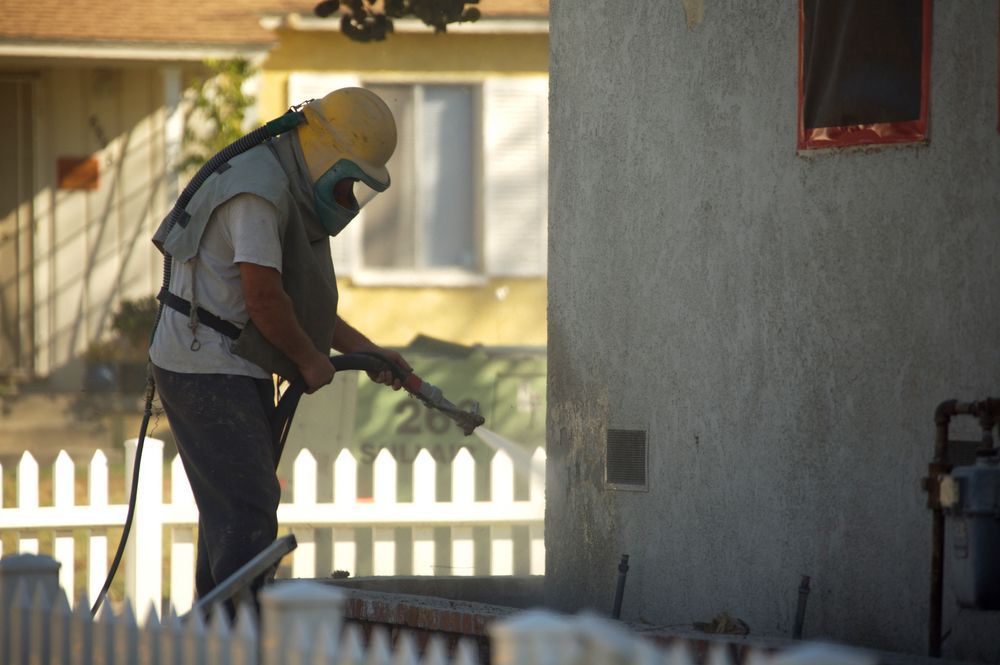
Heavy buildup of old paint, rust, or industrial coatings often can't be scraped or sanded away efficiently, particularly on metal surfaces, detailed woodwork, or equipment that has been refinished multiple times. Sandblasting uses pressurized abrasive media to strip surfaces down to bare material, removing everything that scraping and chemical strippers leave behind. Paint 406 LLC applies sandblasting to exterior surfaces needing full preparation for restoration or recoating, creating the clean base that allows new finishes to bond directly to the substrate rather than sitting on top of compromised layers.
The process involves directing abrasive particles at high velocity against the surface, where they physically dislodge coatings and oxidation without the heat or chemicals that can damage underlying material. This method works on wood, metal, and specialty surfaces where manual prep would take days and still leave residue in textured areas or joints. The abrasive media and pressure level get adjusted based on substrate type to remove buildup without gouging softer materials like wood or thin metal.
Submit an inquiry to determine whether sandblasting suits your specific surface and project requirements.
How Sandblasting Addresses Heavy Buildup
Abrasive blasting removes coatings by impact rather than dissolution or scraping, which means it clears paint out of recessed areas, profiles, and grain patterns that hand tools can't reach. The process exposes bare metal that can then be treated for rust prevention, or clean wood that accepts primer without the sealer layers and contaminants that block adhesion. Media choice affects surface profile—fine media produces a smoother finish while coarser material creates more texture for coating grip.
After blasting, surfaces appear uniformly clean with no paint edges, rust staining, or coating residue visible in corners and details. Metal shows bright, raw finish, and wood grain opens up with raised texture from the abrasive impact. These surfaces must be primed or sealed quickly, since bare metal begins oxidizing within hours and raw wood absorbs moisture immediately if left unprotected after blasting.
Sandblasting provides surface preparation for repainting or refinishing projects but does not include coating application or rust treatment, which are separate steps that follow once surfaces are fully cleaned. The service is effective for heavy-duty cleaning and restoration prep, not for delicate or thin materials that can be damaged by abrasive impact.
Answers to Frequent Service Questions
Sandblasting questions typically focus on material compatibility, project suitability, and what happens after coating removal.
What surfaces can be sandblasted safely?
Wood, metal, brick, and concrete handle sandblasting well when media and pressure are matched to material hardness, while thin sheet metal, glass, and soft plastics can be damaged by abrasive impact and require gentler methods.
How does sandblasting differ from scraping and sanding?
Manual methods remove surface layers but leave residue in textured areas and struggle with thick buildup, whereas blasting clears everything down to bare substrate including material lodged in grain, rust pitting, and multiple paint layers bonded together.
What preparation is needed before sandblasting begins?
Surrounding areas must be protected from abrasive dust and debris, windows and fixtures covered or removed, and the work zone cleared of items that could be damaged by ricocheting media or coating particles.
Why must surfaces be coated quickly after sandblasting?
Bare metal oxidizes when exposed to air and moisture, forming rust within hours in Florence's variable humidity, and raw wood absorbs water immediately, causing grain raise and potential checking if left unsealed after the pores are opened by abrasive cleaning.
What projects benefit most from sandblasting in Florence?
Restoration of aging equipment, removal of failed coatings on metal structures, prep of industrial surfaces needing complete cleaning, and wood projects where multiple paint layers have obscured detail and created uneven buildup all justify the thoroughness of abrasive blasting.
Paint 406 LLC evaluates whether sandblasting is appropriate for your surface type and the extent of coating removal required. Reach out to discuss your project and schedule an assessment of current surface condition.