

Trim That Defines Every Room's Finish
Interior Trim Painting in Florence for baseboards, crown molding, and door frames that show wear or color mismatch
Paint 406 LLC provides interior trim painting in Florence for homes where baseboards, crown molding, window casings, and door frames have accumulated scuffs, discoloration, or no longer match updated wall colors. Trim work frames every room, and when it's worn or inconsistent, even freshly painted walls can look unfinished. This service restores those details with careful preparation and precise application that holds up to daily contact and cleaning.
Interior trim painting involves more than applying a new coat—it requires filling nail holes, sanding rough edges, caulking gaps where trim meets walls or corners, and using techniques that prevent brush marks and drips on vertical and angled surfaces. The prep work determines how smooth the final finish appears and how well the paint adheres over time, especially on high-contact areas like baseboards in hallways or around door frames.
Schedule an on-site consultation to review trim condition and discuss finish preferences for your project.
How Trim Painting Changes a Room's Appearance
The process begins with surface cleaning to remove dust and oils, followed by filling imperfections and sanding to create a smooth base. Edges where trim meets walls are caulked to close gaps that collect dust and create shadow lines, then primed if the existing finish is glossy or stained. Paint is applied with angled brushes or small rollers designed for narrow surfaces, using techniques that avoid lap marks and ensure even coverage on profiled molding.
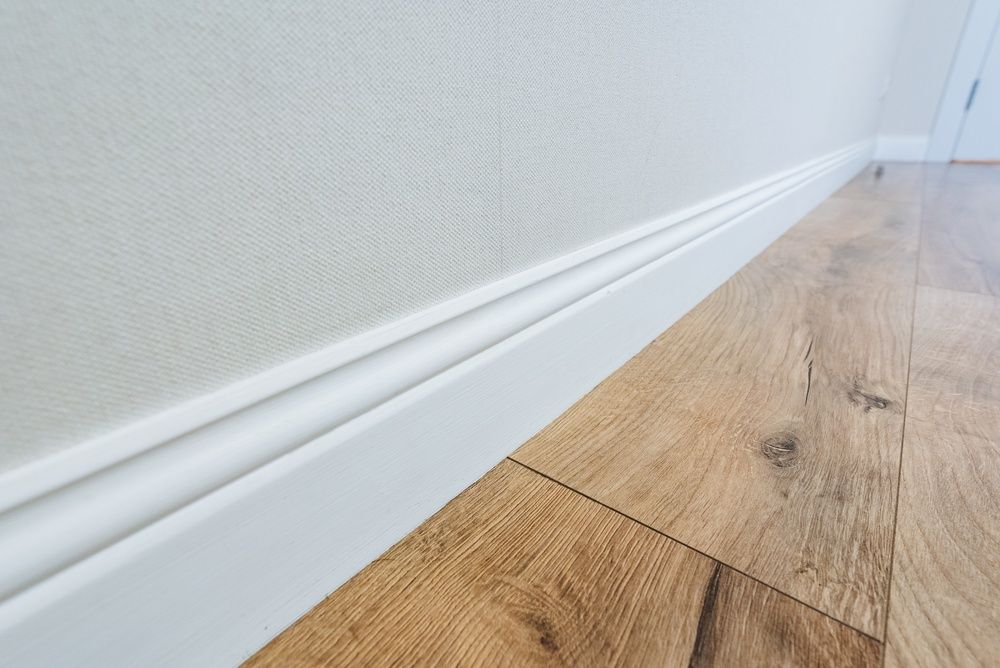
Once the work is finished, you'll notice crisp, clean lines where trim meets walls, a uniform finish across all woodwork in the room, and baseboards that no longer show scuff marks or discoloration from years of contact. The contrast between walls and trim becomes intentional rather than accidental, and rooms feel more polished and cohesive.
This service works as a standalone update or alongside full interior repainting, and it's particularly effective in older homes where original trim has darkened or chipped. The finish is designed to handle routine cleaning and contact without chipping or yellowing, using durable coatings suited to interior woodwork rather than standard wall paint.
What Homeowners Ask About Trim Work
Trim painting projects in Florence often raise questions about preparation steps, finish durability, and how the work integrates with other updates.
What preparation is required before painting trim?
Surface cleaning, hole filling, sanding, and caulking are completed first to ensure the paint adheres smoothly and lasts without peeling or cracking at joints.
How does trim painting differ from painting walls?
Trim requires more detailed prep, uses different paint formulations for durability, and demands precise brushwork to avoid drips and maintain clean edges where different surfaces meet.
Can you paint trim without repainting the walls?
Yes, trim can be updated independently by carefully masking wall surfaces and using low-tack tape that won't damage existing paint when removed.
What finish works best for baseboards and molding?
Semi-gloss or satin finishes are typically used because they're easier to clean, resist scuffing better than flat paint, and provide subtle contrast against matte wall finishes.
How long does the paint need to cure before furniture is moved back?
Most trim paint is dry to the touch within hours, but full cure takes several days—furniture should be kept away from baseboards for at least 48 hours to avoid marks or adhesion.
Paint 406 LLC handles trim painting with attention to the details that make the difference between a rushed coat and a finish that lasts. Contact us to arrange an estimate based on the specific trim elements and room layout in your home.